
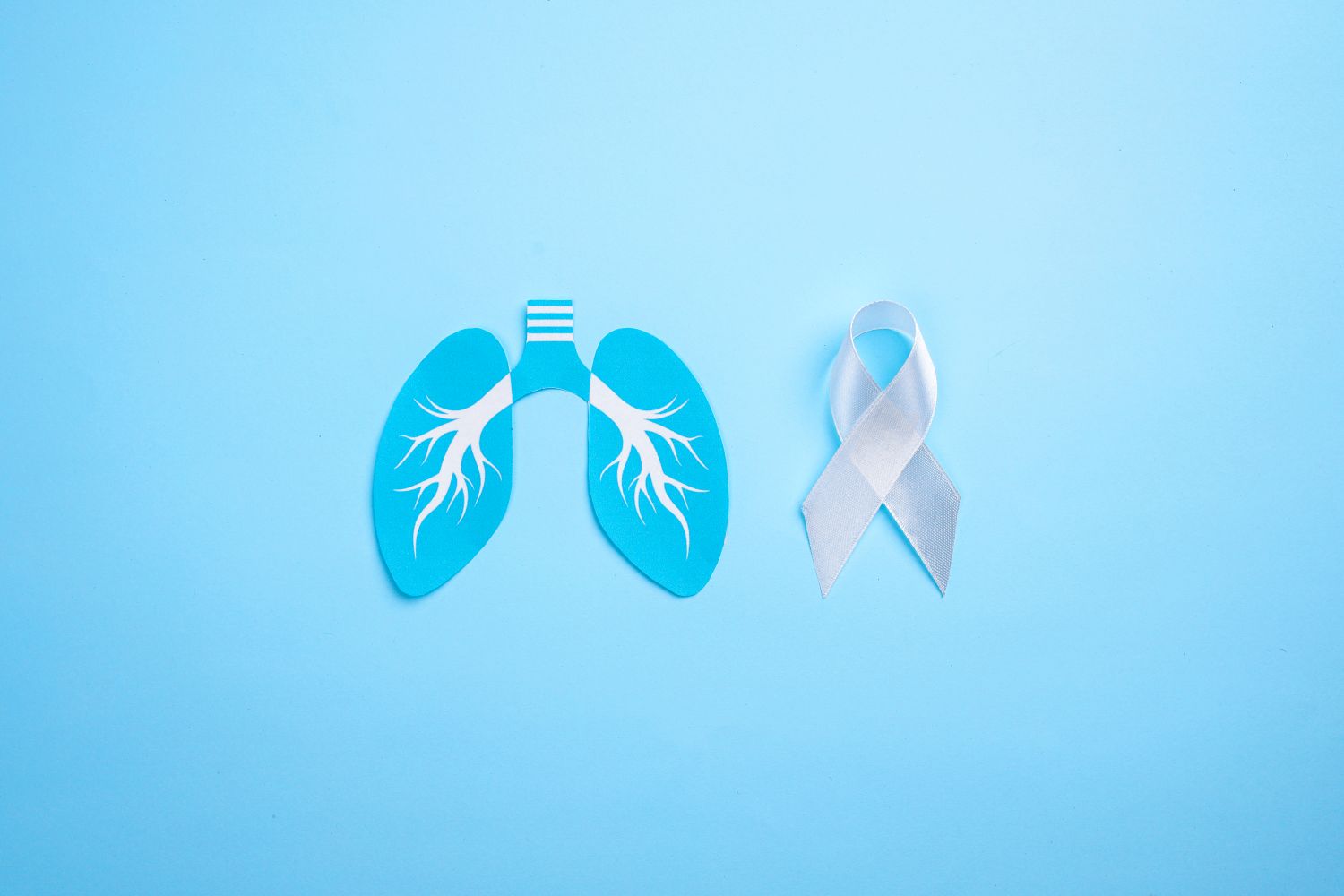
Lung cancer remains one of the most prevalent and deadly forms of cancer worldwide. Early detection is crucial for improving treatment outcomes and survival rates. Understanding the risk factors and recognizing the symptoms associated with lung cancer can empower individuals to seek timely medical attention. This article provides an overview of lung cancer, highlighting its risk factors, common symptoms, and the importance of early detection.
1. What is Lung Cancer?
Lung cancer occurs when abnormal cells in the lungs grow uncontrollably, forming tumors. It is broadly categorized into two main types:
A. Non-Small Cell Lung Cancer (NSCLC)
NSCLC is the most common type, accounting for about 85% of lung cancer cases. It includes several subtypes, such as adenocarcinoma, squamous cell carcinoma, and large cell carcinoma.
B. Small Cell Lung Cancer (SCLC)
SCLC is less common but tends to grow and spread more quickly than NSCLC. It is often associated with smoking and is typically diagnosed at a more advanced stage.
2. Risk Factors for Lung Cancer
Understanding the risk factors associated with lung cancer is essential for prevention and early detection. Some of the most significant risk factors include:
A. Tobacco Use
- Smoking: Cigarette smoking is the leading cause of lung cancer, responsible for approximately 85% of cases. The risk increases with the number of cigarettes smoked and the duration of smoking.
- Secondhand Smoke: Exposure to secondhand smoke can also increase the risk of lung cancer in non-smokers.
B. Environmental Factors
- Radon Exposure: Radon is a naturally occurring radioactive gas that can accumulate in homes, especially in basements. Long-term exposure to high levels of radon increases the risk of lung cancer.
- Asbestos Exposure: Asbestos fibers, commonly found in older buildings and certain industries, are known carcinogens linked to lung cancer.
- Air Pollution: Prolonged exposure to air pollution, particularly fine particulate matter, has been associated with an increased risk of lung cancer.
C. Personal and Family History
- Previous Lung Conditions: Individuals with a history of lung diseases, such as chronic obstructive pulmonary disease (COPD) or pulmonary fibrosis, may have an increased risk of developing lung cancer.
- Family History: A family history of lung cancer can also elevate an individual’s risk, suggesting a genetic predisposition.
D. Age and Gender
- Age: The risk of lung cancer increases with age, particularly in individuals over 65.
- Gender: While lung cancer affects both men and women, certain types may be more prevalent in one gender. For example, adenocarcinoma is more common in women, while squamous cell carcinoma is more prevalent in men.
3. Recognizing Symptoms of Lung Cancer
Early detection of lung cancer can significantly improve treatment outcomes. However, symptoms may not appear until the disease is advanced. Common symptoms to be aware of include:
A. Persistent Cough
A cough that does not go away or worsens over time, especially if it is accompanied by blood or phlegm, should be evaluated by a healthcare professional.
B. Shortness of Breath
Experiencing unexplained shortness of breath or wheezing, particularly with physical activity, can be a sign of lung issues, including cancer.
C. Chest Pain
Persistent chest pain, especially when it worsens with deep breathing, coughing, or laughing, may indicate lung problems and should not be ignored.
D. Fatigue and Weight Loss
Unexplained fatigue, weight loss, or loss of appetite can be systemic symptoms of cancer and should prompt further investigation.
E. Recurrent Respiratory Infections
Frequent bronchitis or pneumonia can be a sign of underlying lung issues, including lung cancer.
4. The Importance of Early Detection
A. Screening Recommendations
For individuals at high risk (e.g., heavy smokers or those with a family history of lung cancer), regular screenings such as low-dose computed tomography (LDCT) scans are recommended. These screenings can help detect lung cancer at an earlier stage, when it is more treatable.
B. Regular Check-Ups
Routine medical check-ups are essential for early detection. Discuss any concerning symptoms with your healthcare provider and consider a thorough evaluation if you have risk factors for lung cancer.
Conclusion
Understanding the risk factors and symptoms of lung cancer is crucial for early detection and effective treatment. By being aware of your personal risk and maintaining open communication with healthcare professionals, you can take proactive steps toward safeguarding your lung health. While the journey may be daunting, staying informed and vigilant can make a significant difference in outcomes. Embrace a healthy lifestyle, avoid tobacco, and prioritize regular check-ups to reduce your risk and promote overall well-being.
